C minor.
Every major and minor key, arranged so that neighbours share almost all of their notes. Pick one to see its key signature, its seven chords and its closest relatives — then hear them on a real recorded piano, and find the sheet music written in it.
Playing in C minor.
C minor has 3 flats: B♭, E♭, A♭. Its scale is C D E♭ F G A♭ B♭, its relative major is E♭ major, and its seven chords are Cm, D°, E♭, Fm, Gm, A♭, B♭.
Beethoven's key of struggle: the Fifth Symphony, the 'Pathétique' Sonata, the Third Piano Concerto. Chopin's 'Revolutionary' Étude and Rachmaninoff's Second Concerto carry the same charge. The scale takes C major's fingering, which makes it an easy flat minor to learn; harmonic minor raises the seventh to B natural, and the wide step up from A♭ to B gives the key its dramatic edge.
Sheet music in C minor
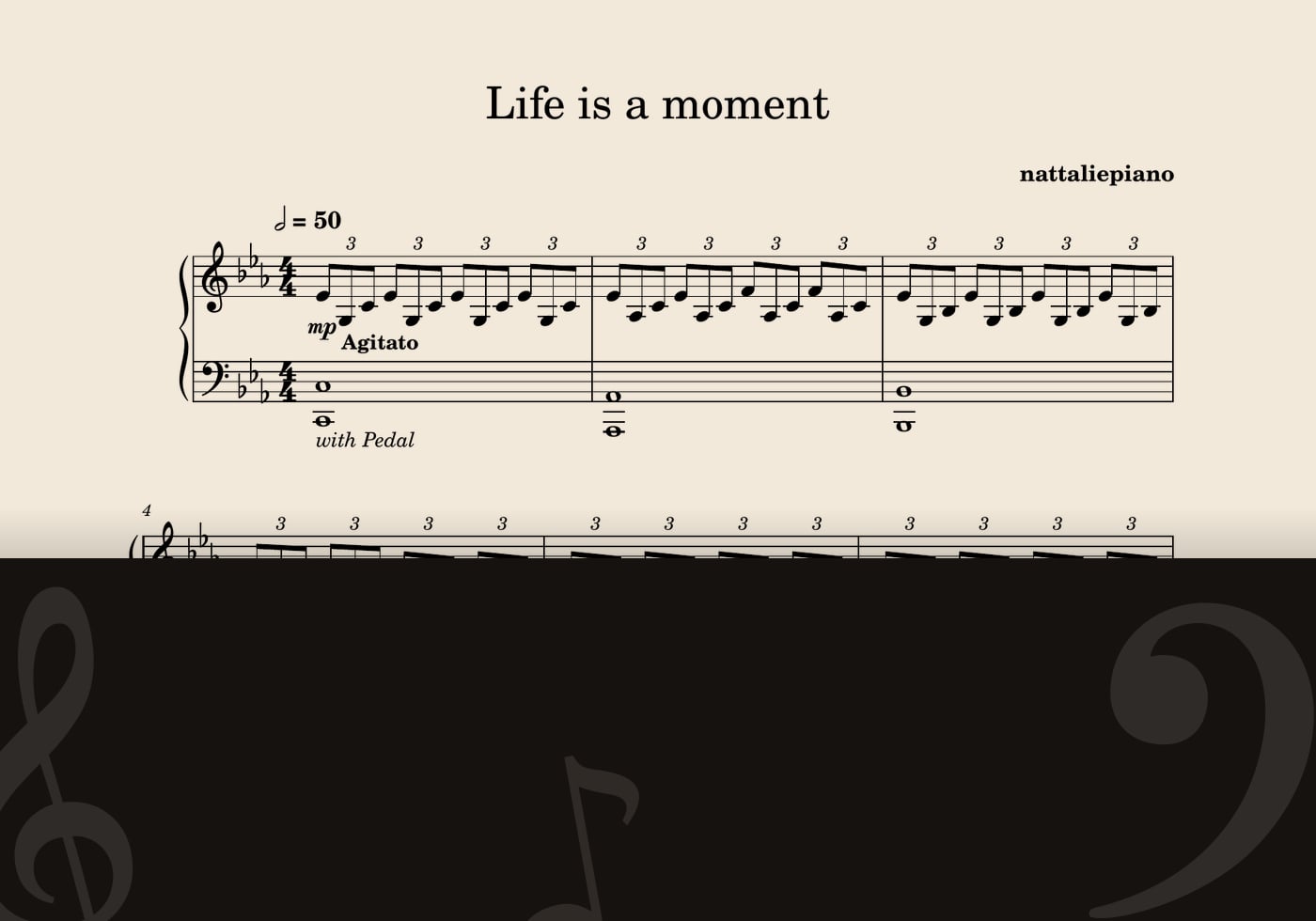
Life is a moment
original composition
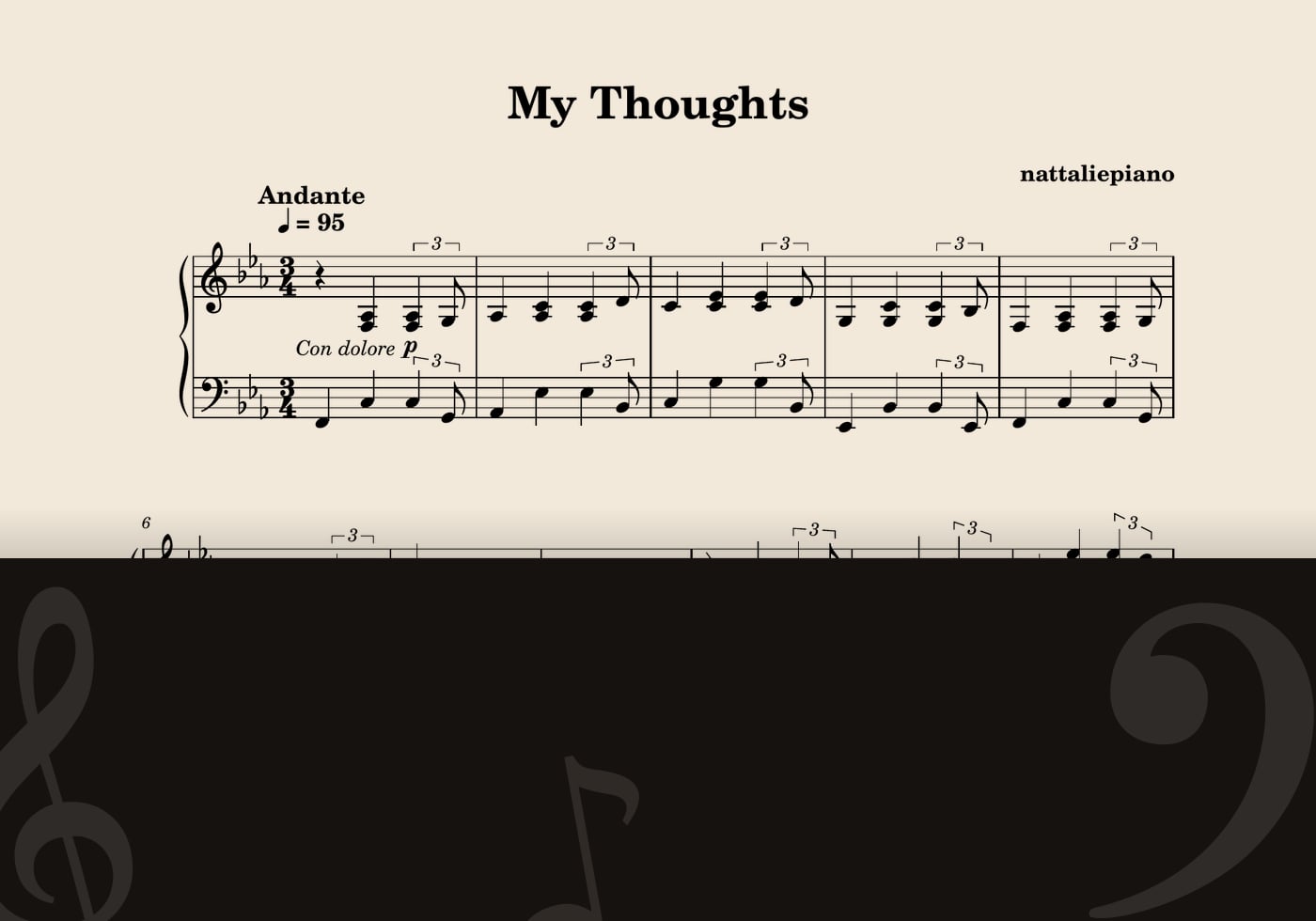
My Thoughts
original composition
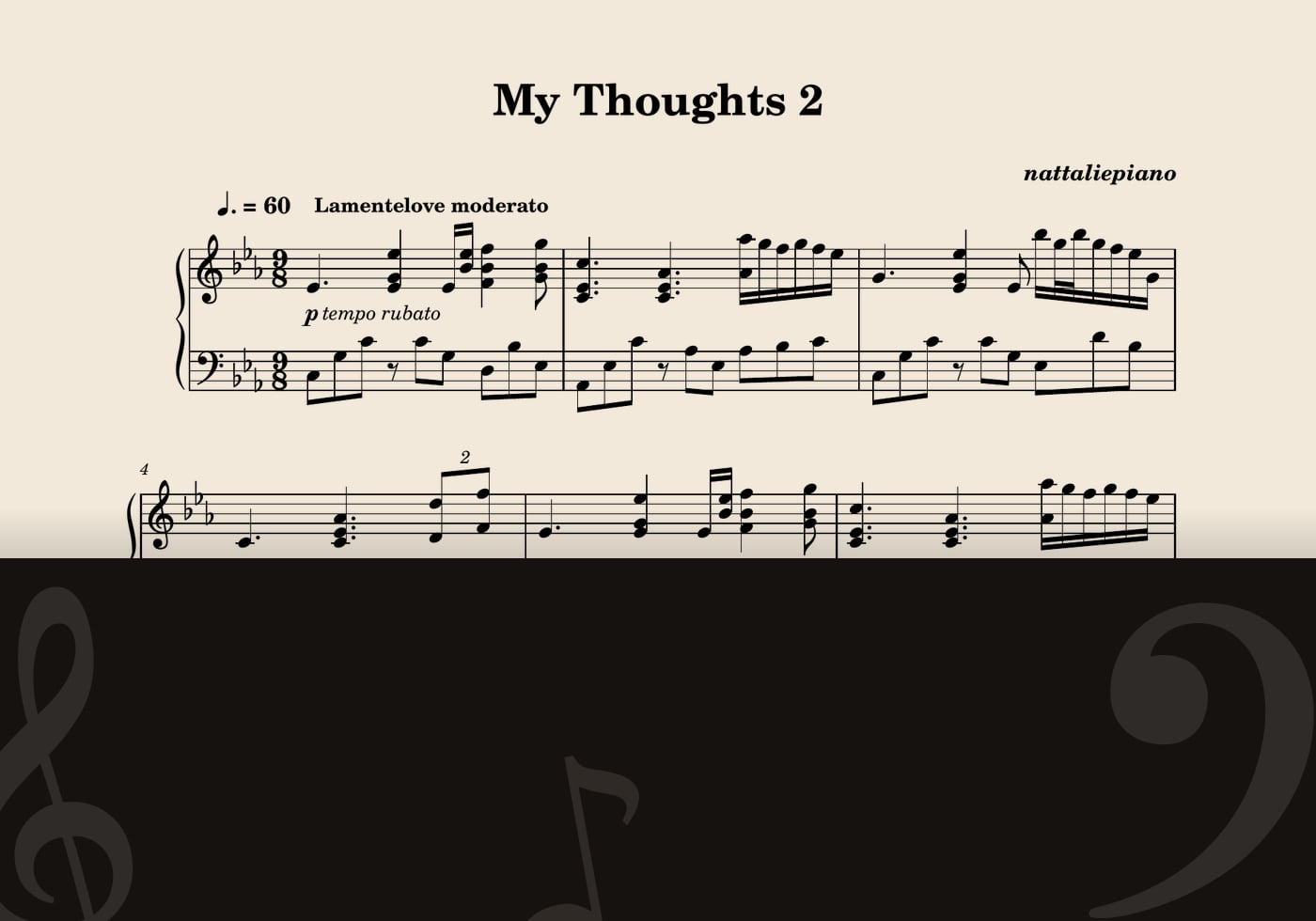
My Thoughts 2
original composition
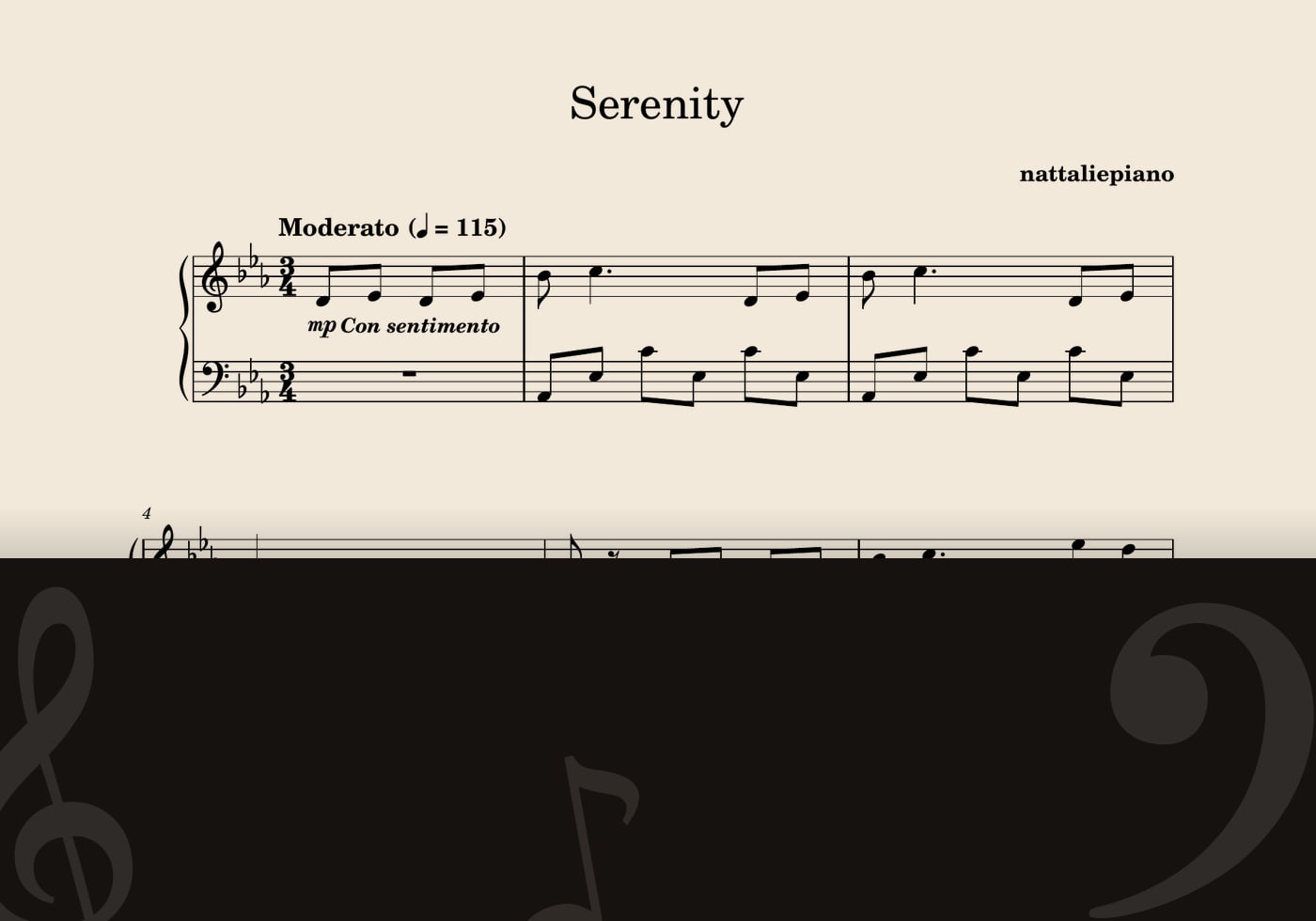
Serenity
original composition
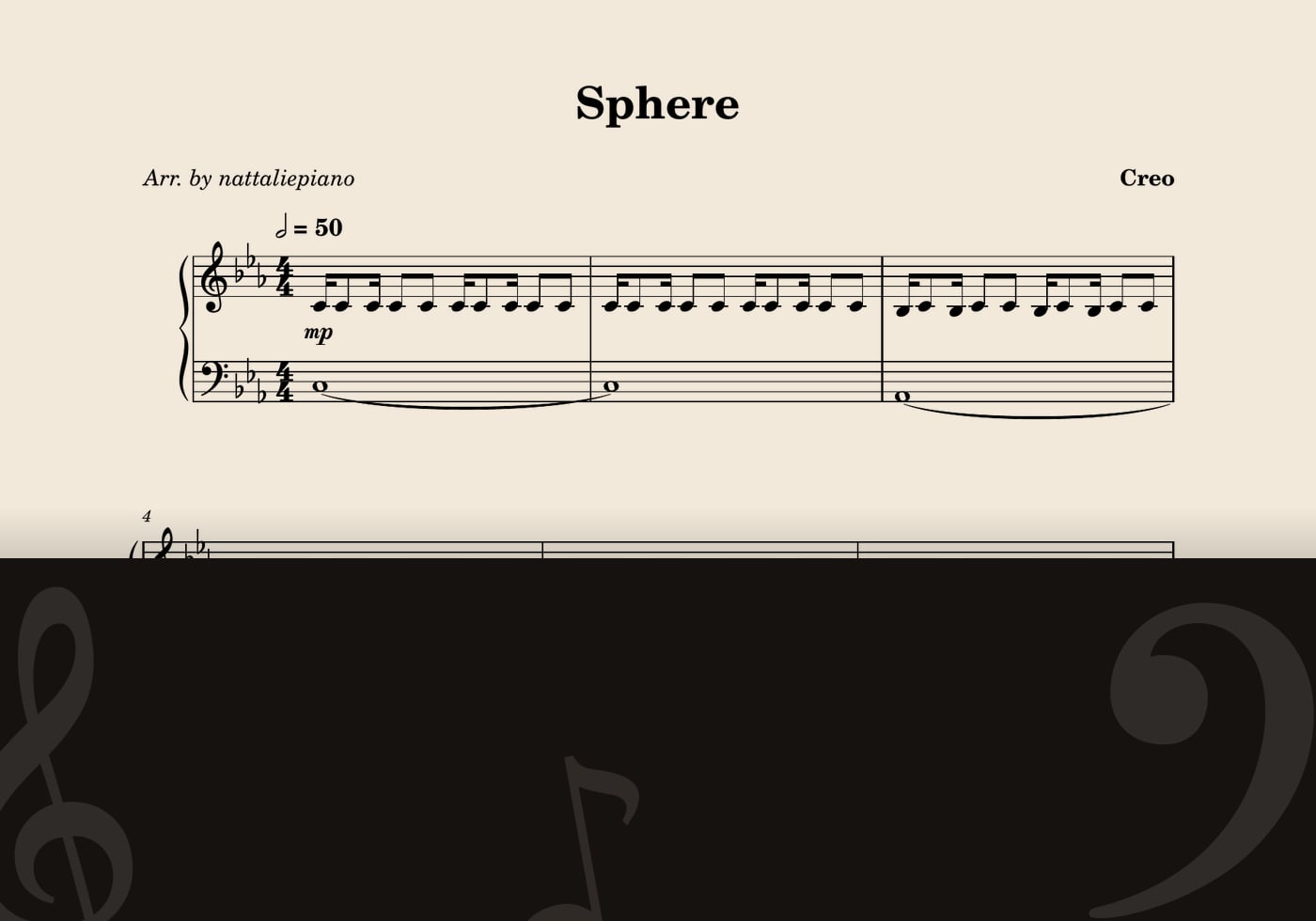
Sphere
after Creo
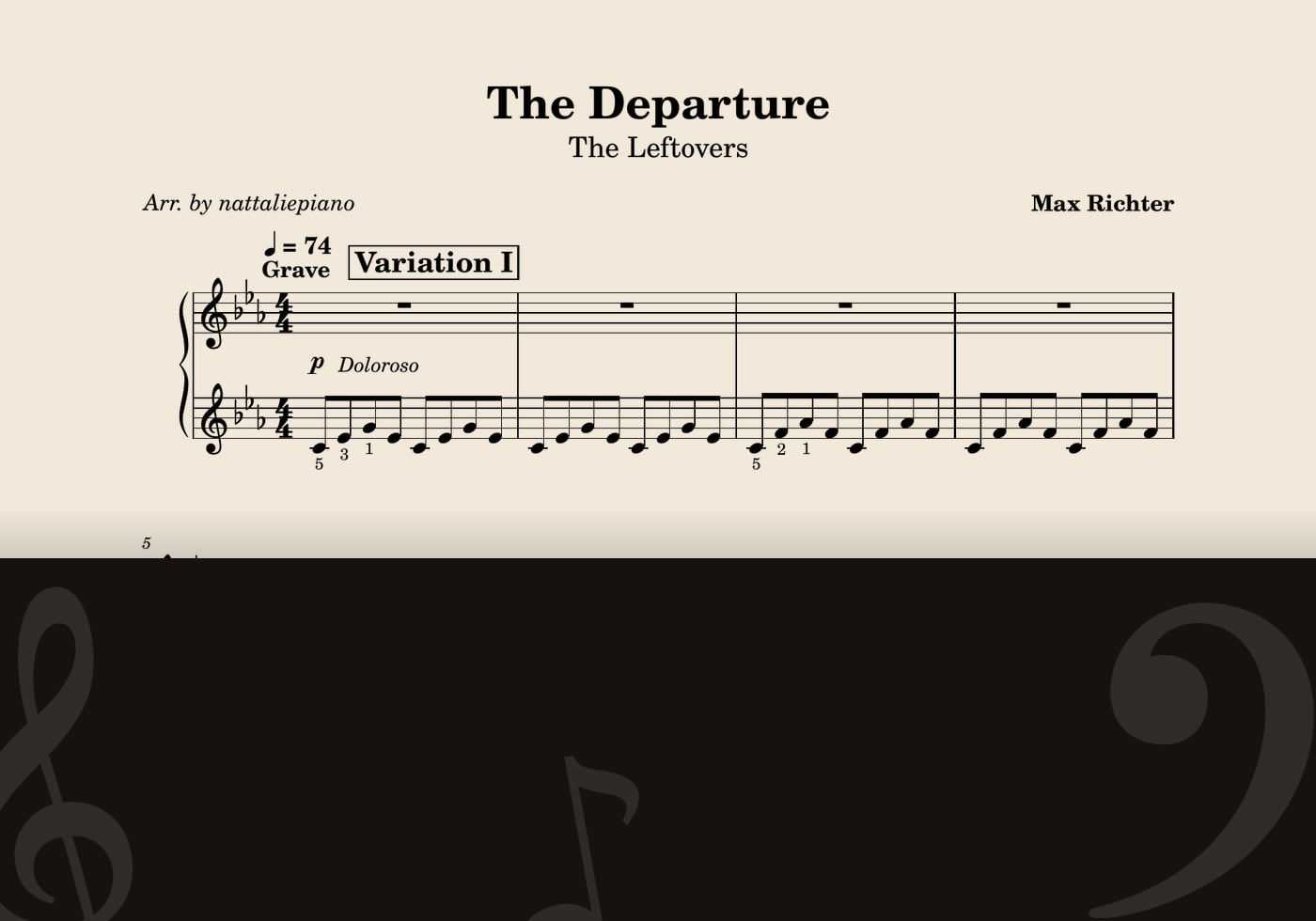
The Departure
after Max Richter
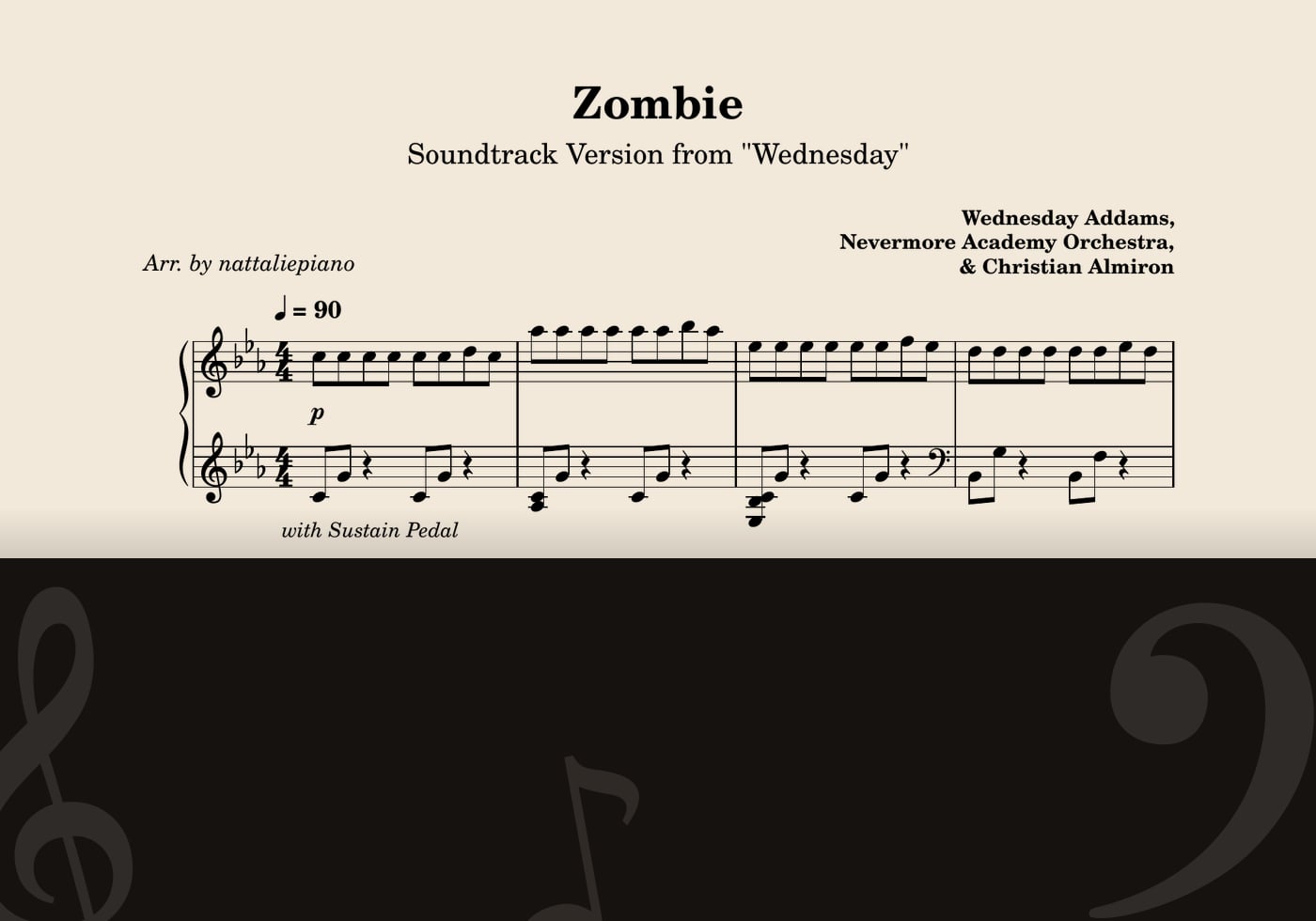
Zombie
after The Cranberries
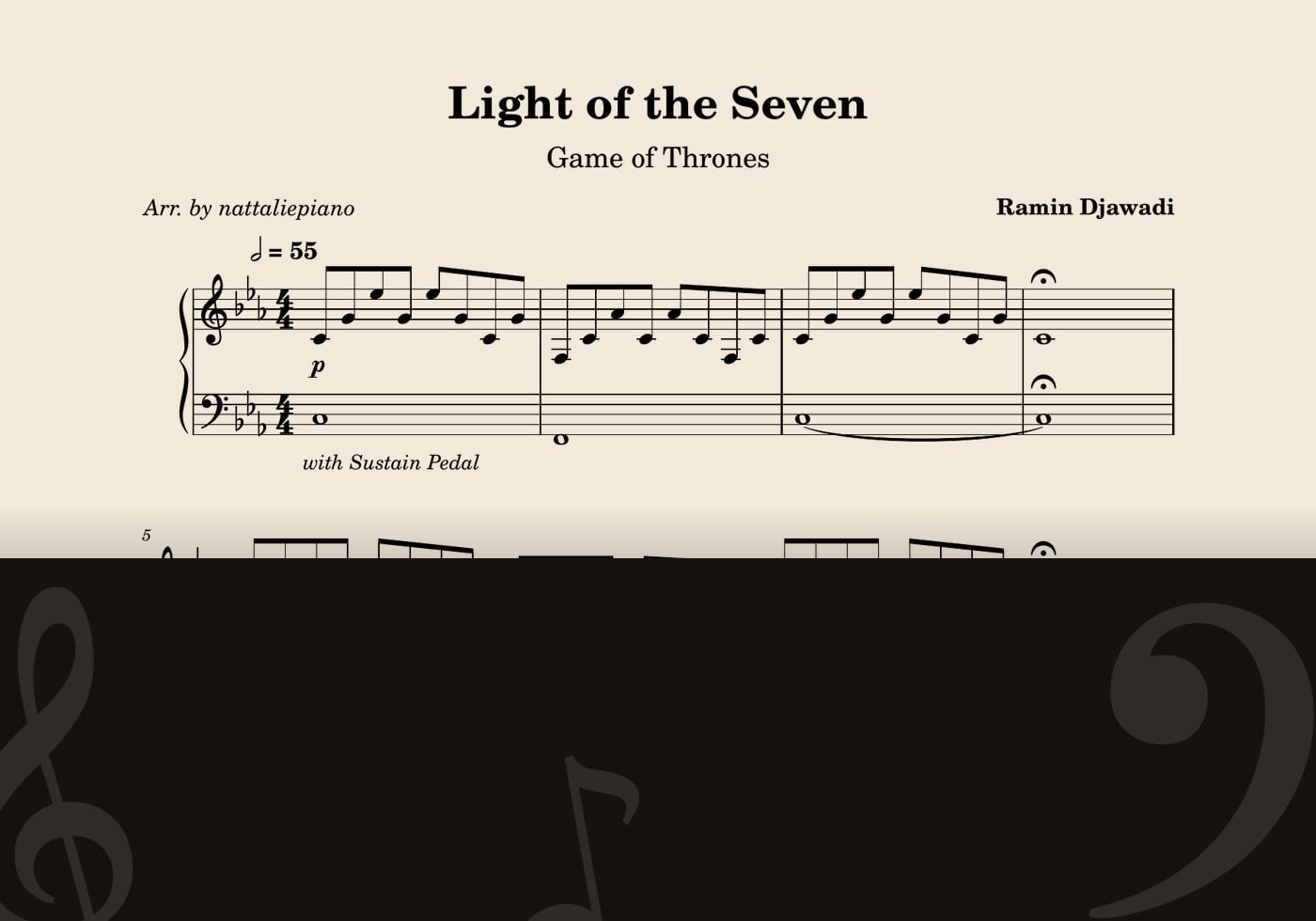
Light of the Seven
after Ramin Djawadi
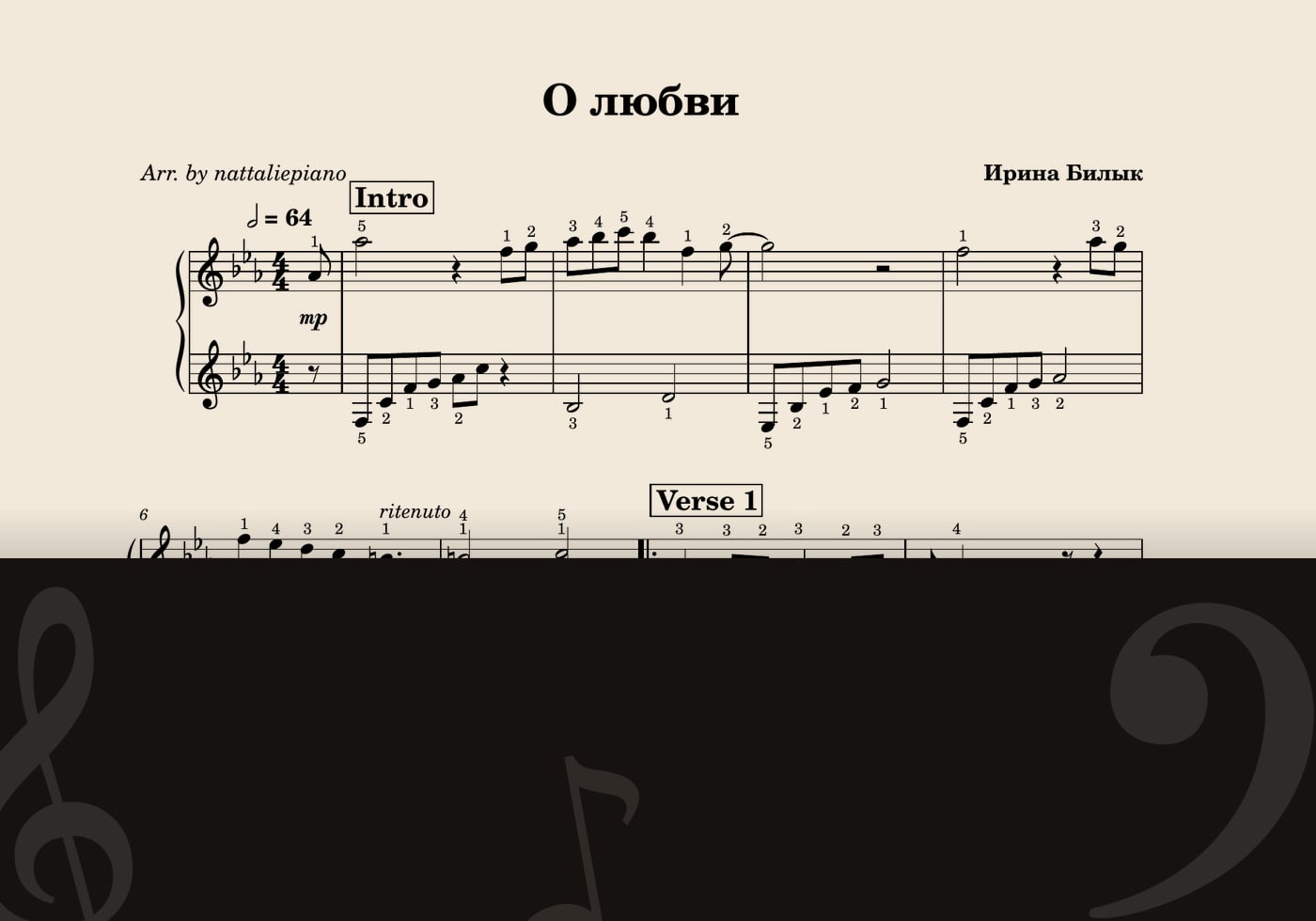
О любви
after Ирина Билык
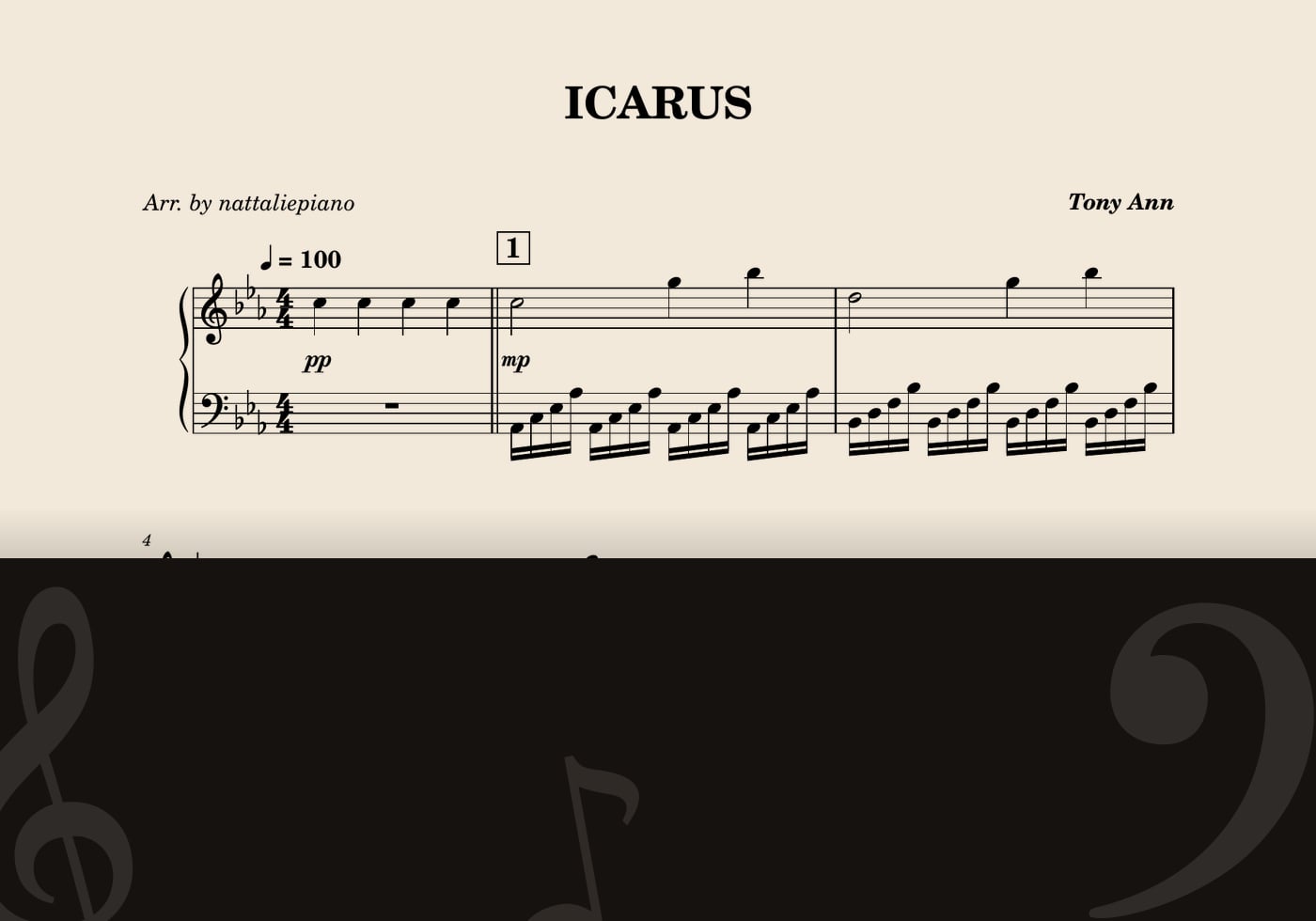
ICARUS
after Tony Ann
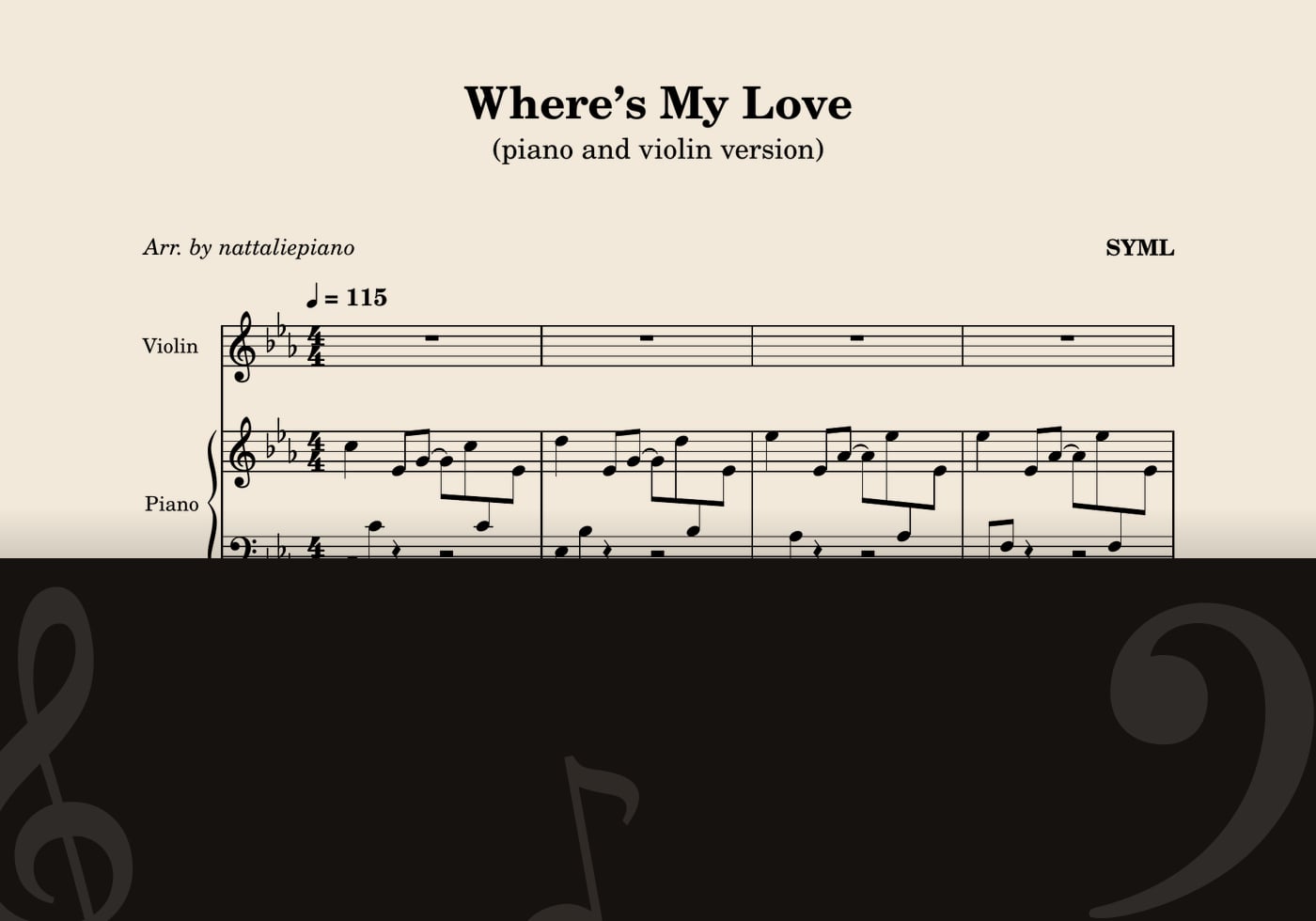
Where's My Love
after Syml
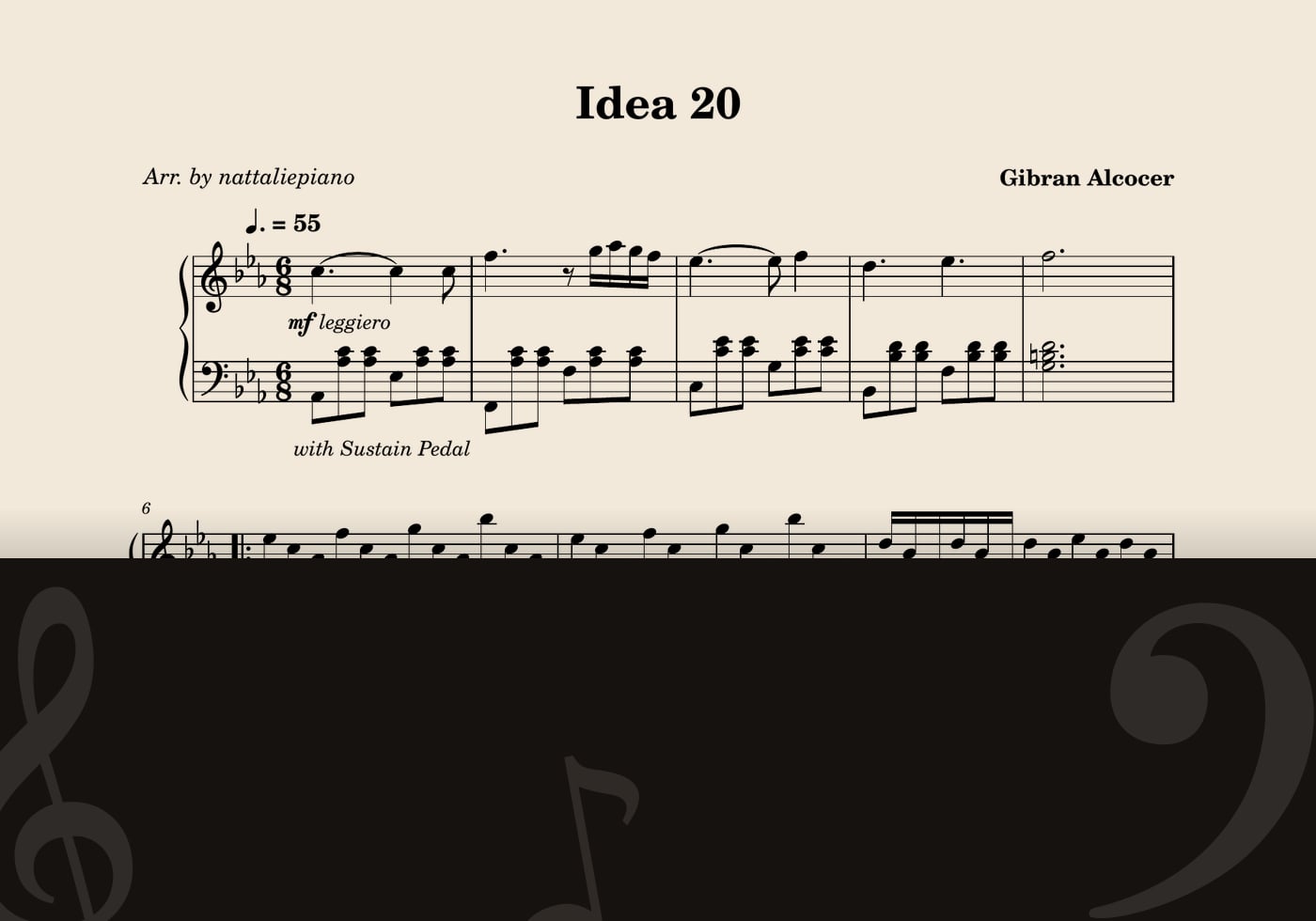
Idea 20
after Gibran Alcocer
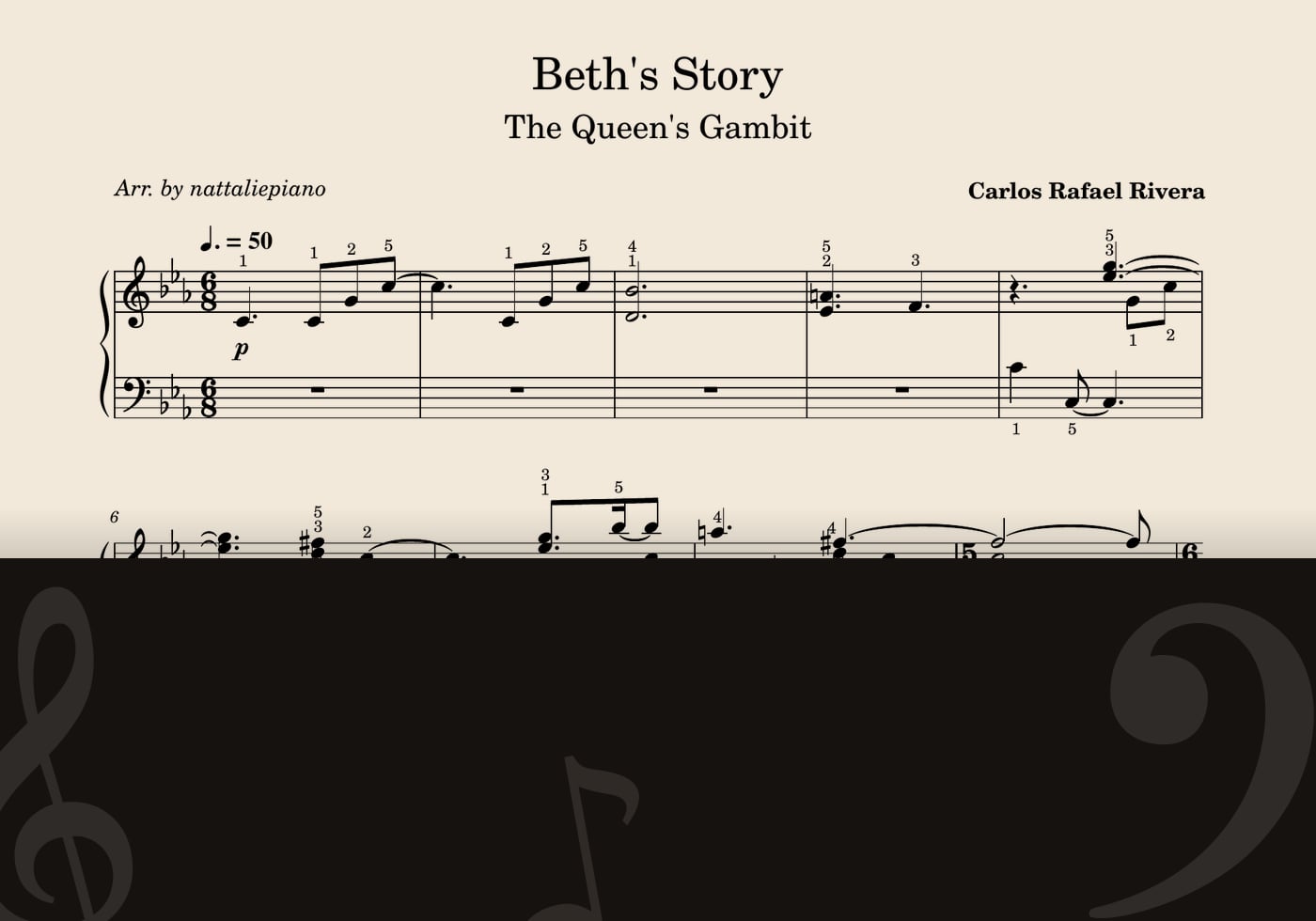
Beth's Story
after Carlos Rafael Rivera
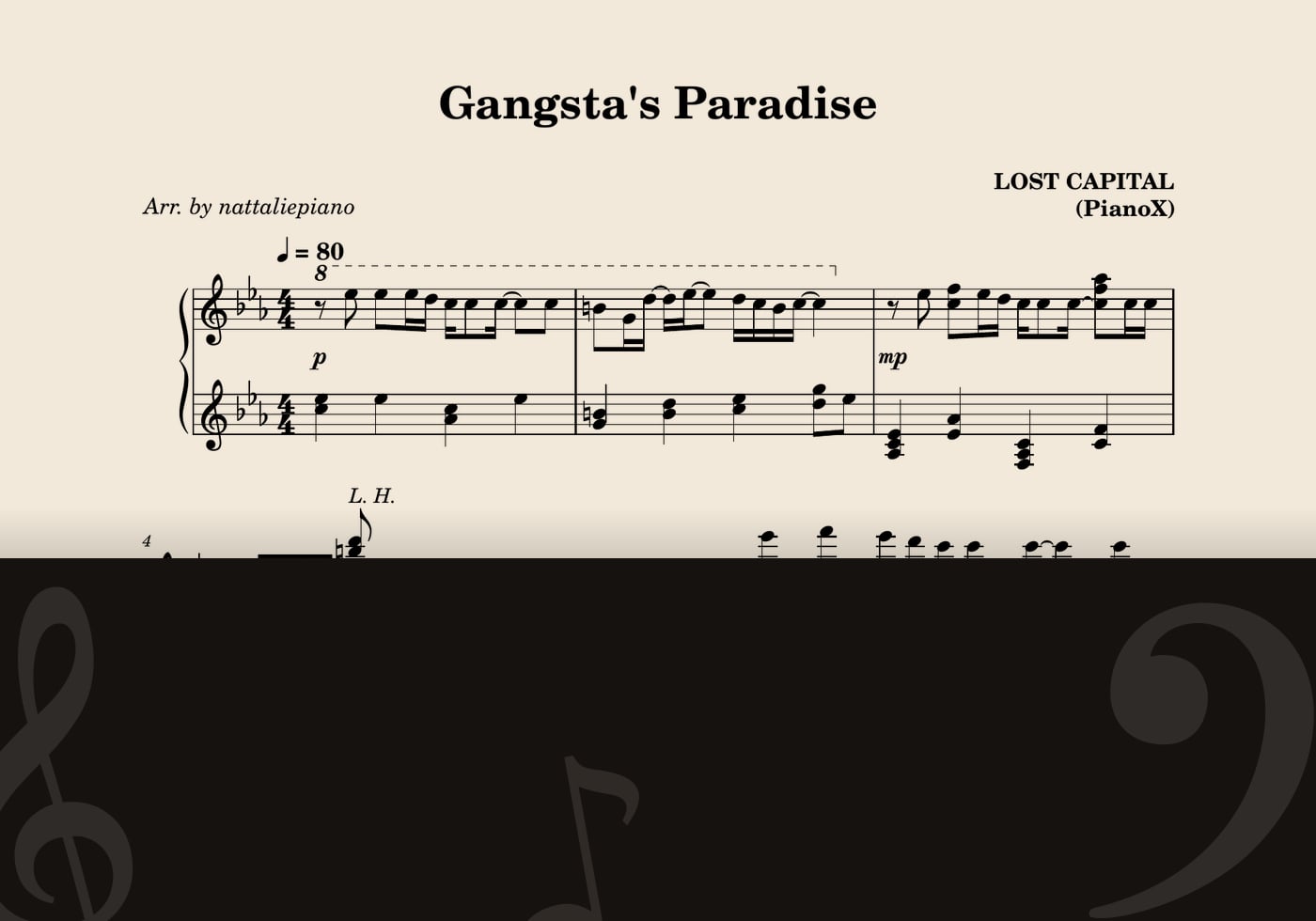
Gangsta's Paradise
after LOST CAPITAL
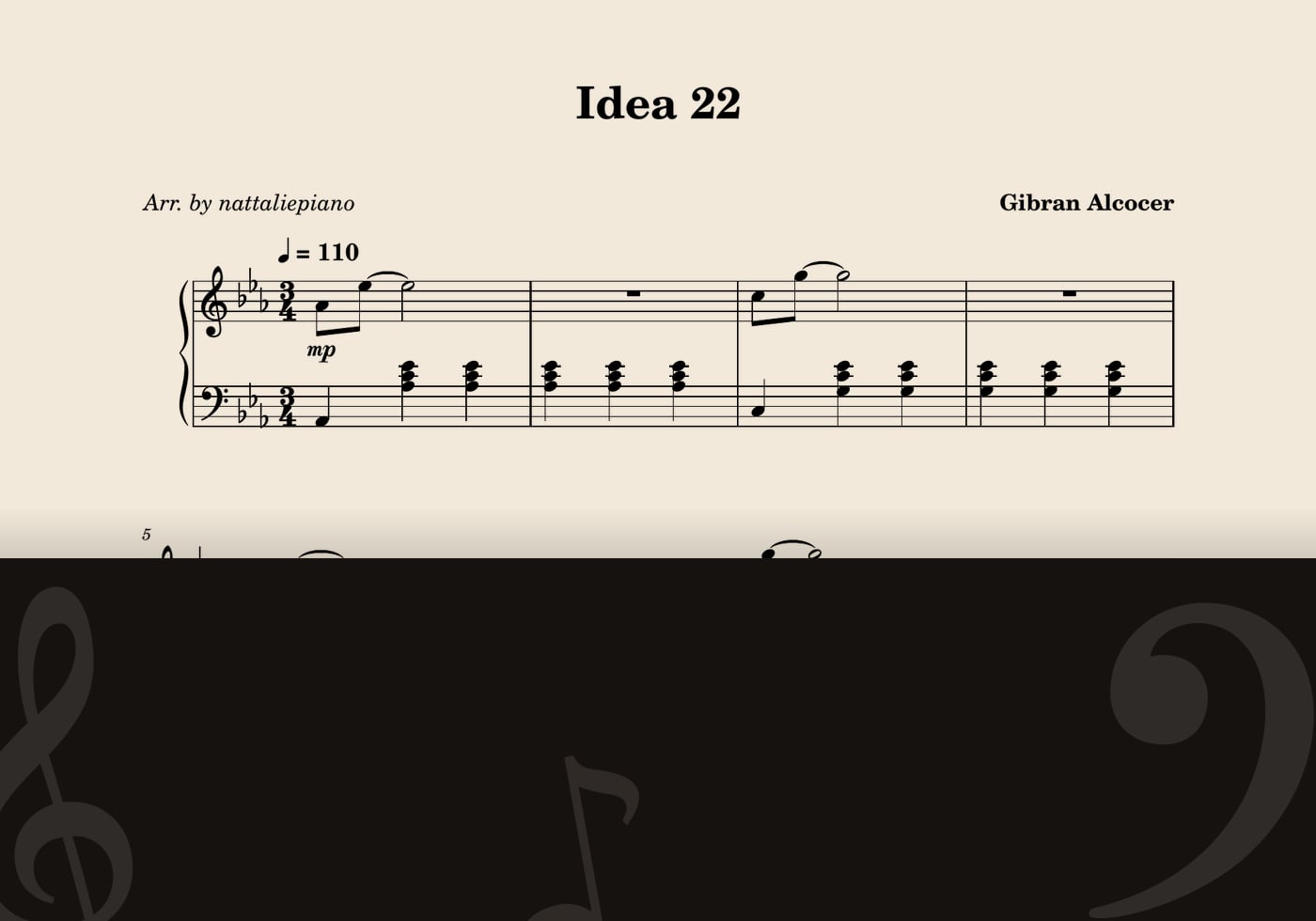
Idea 22
after Gibran Alcocer
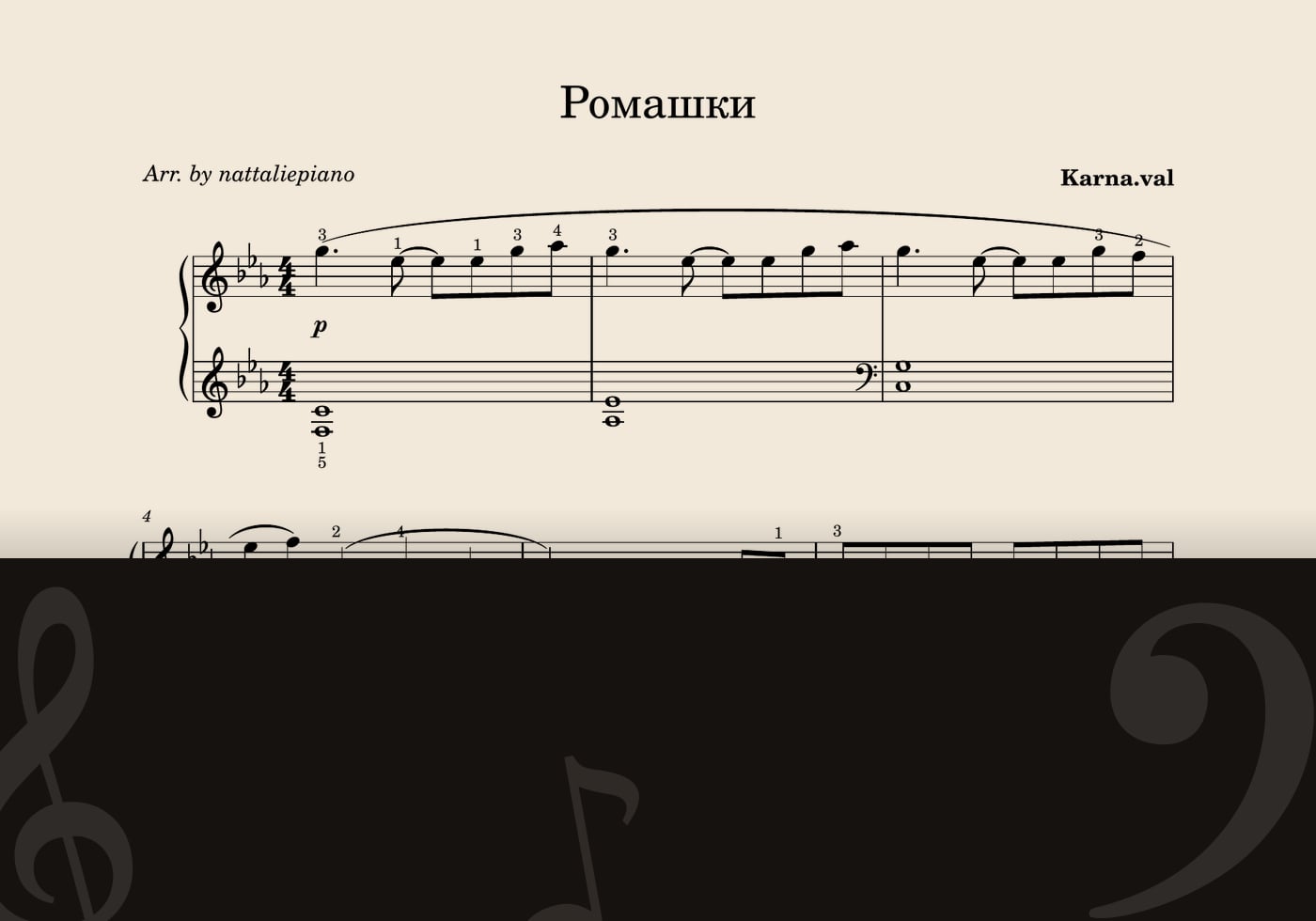
Ромашки
after Karnaval
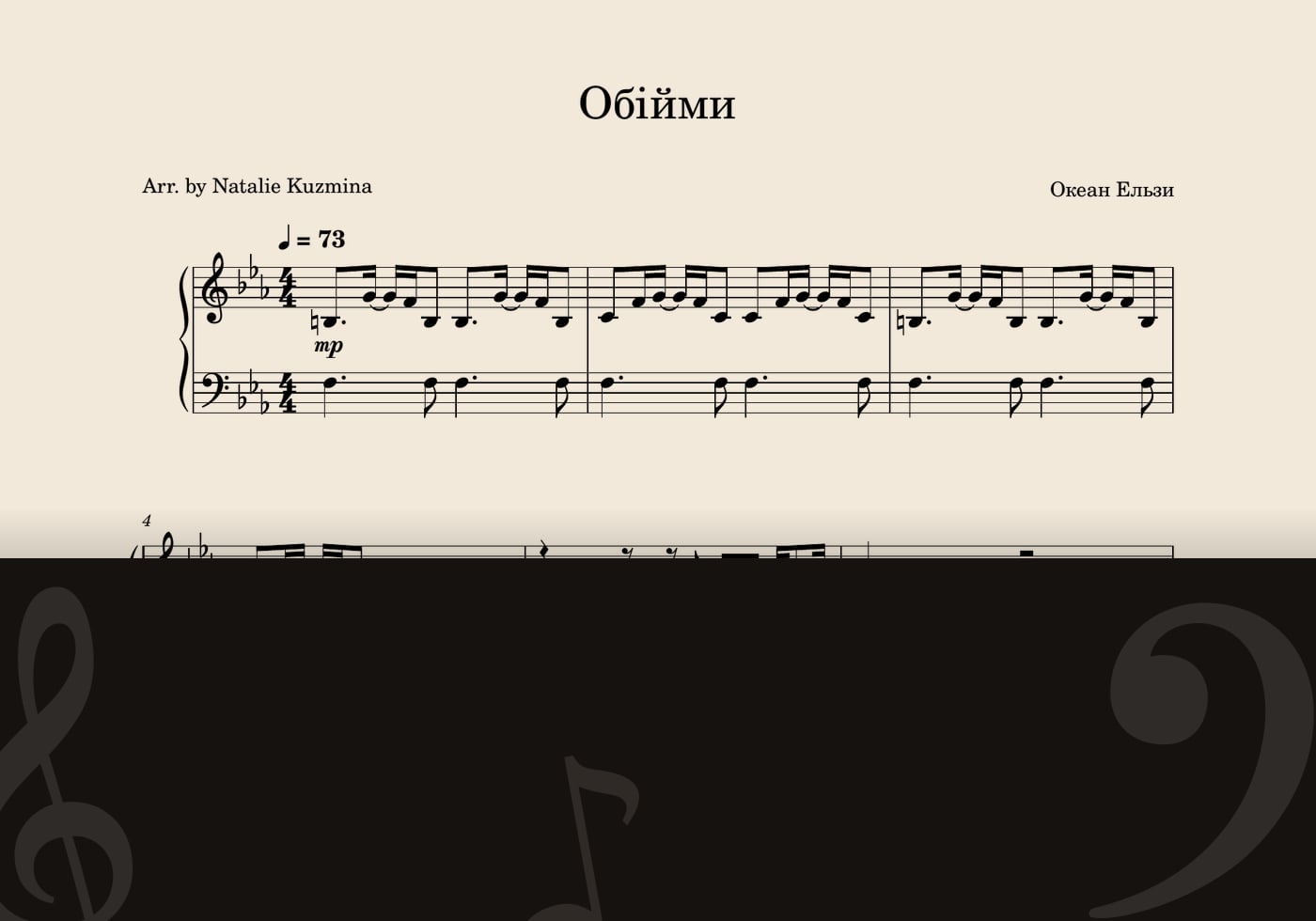
Обійми
after Океан Ельзи
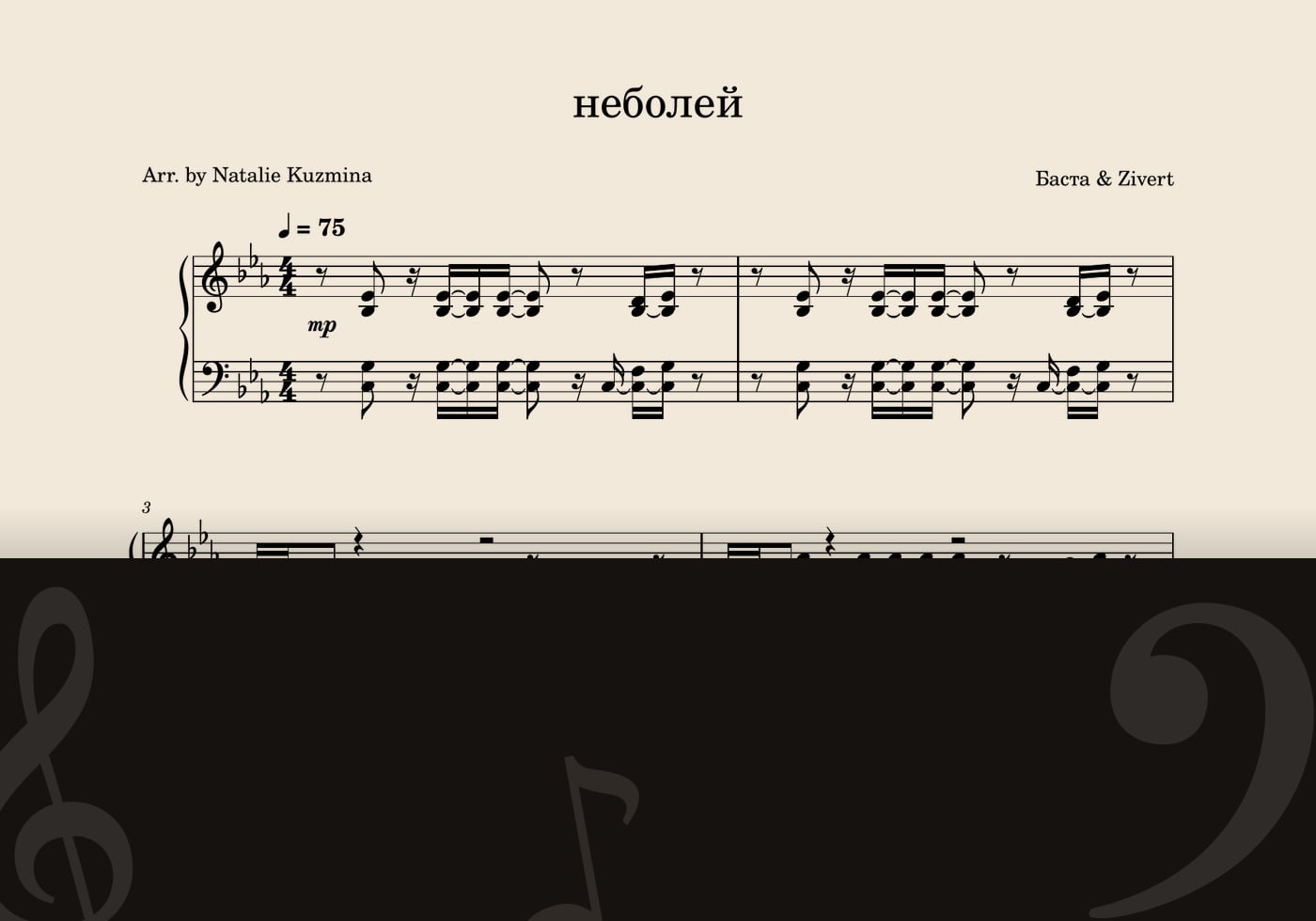
неболей
after Баста & Zivert
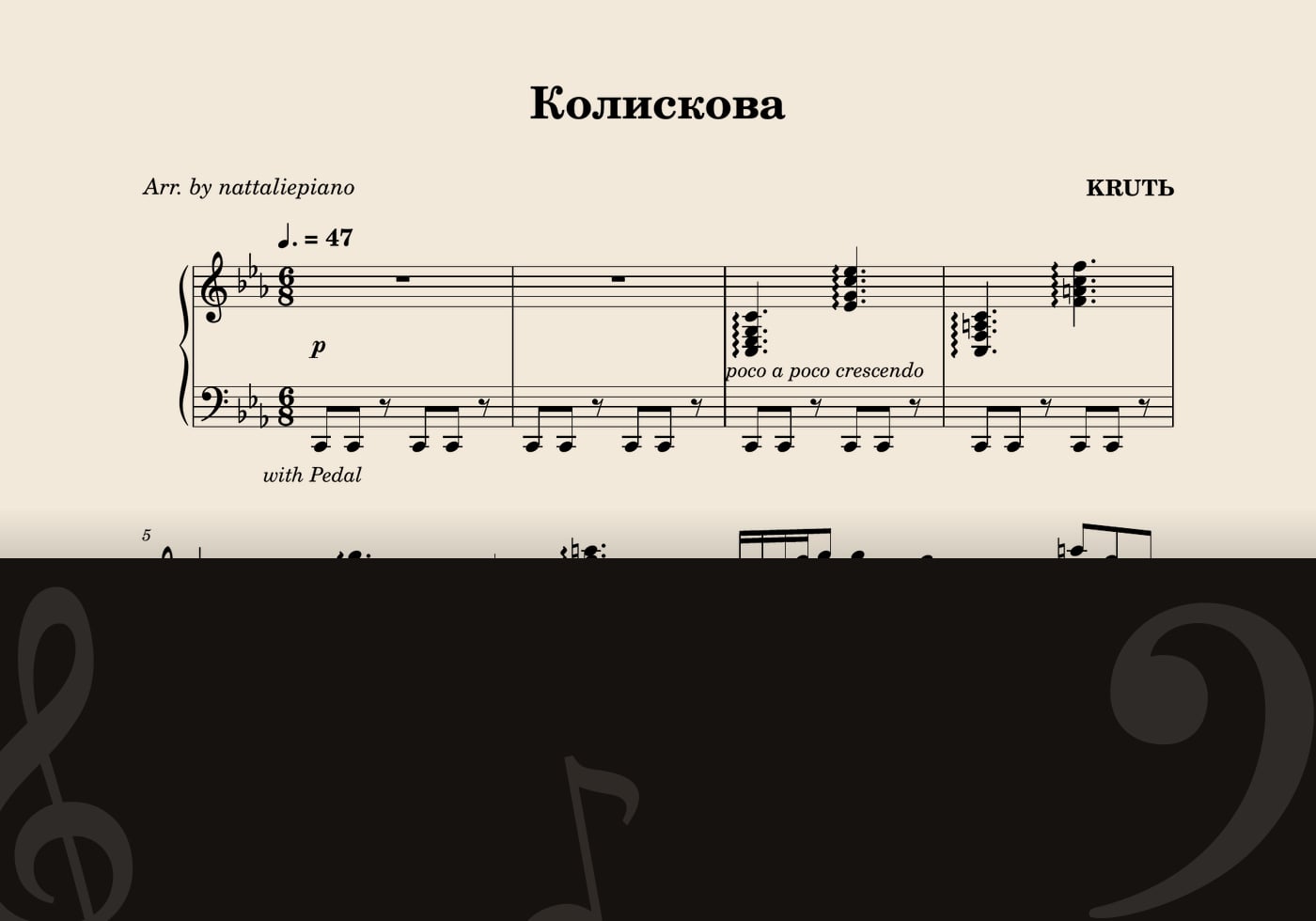
Колискова
after Krutb
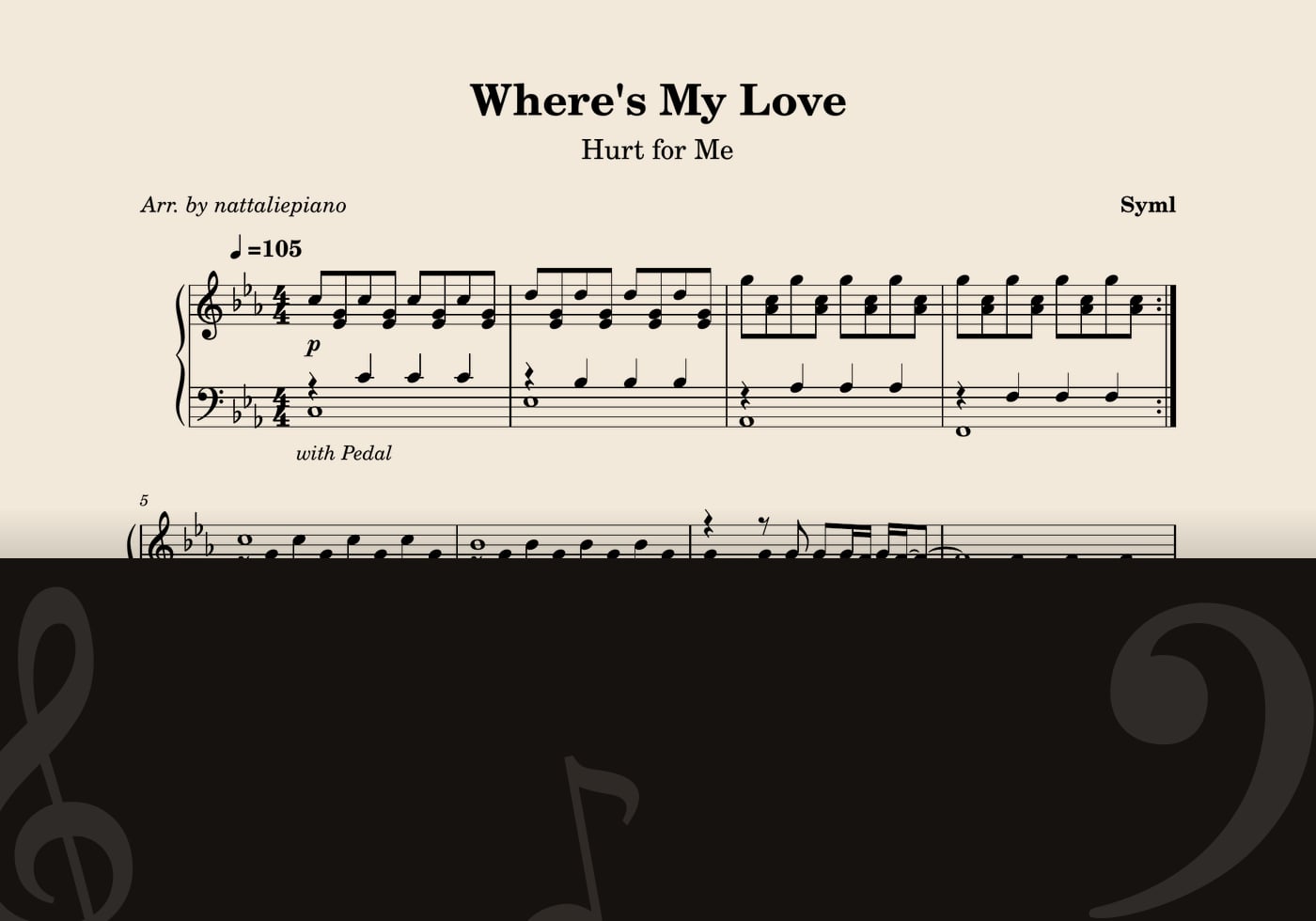
Where's My Love
after Syml
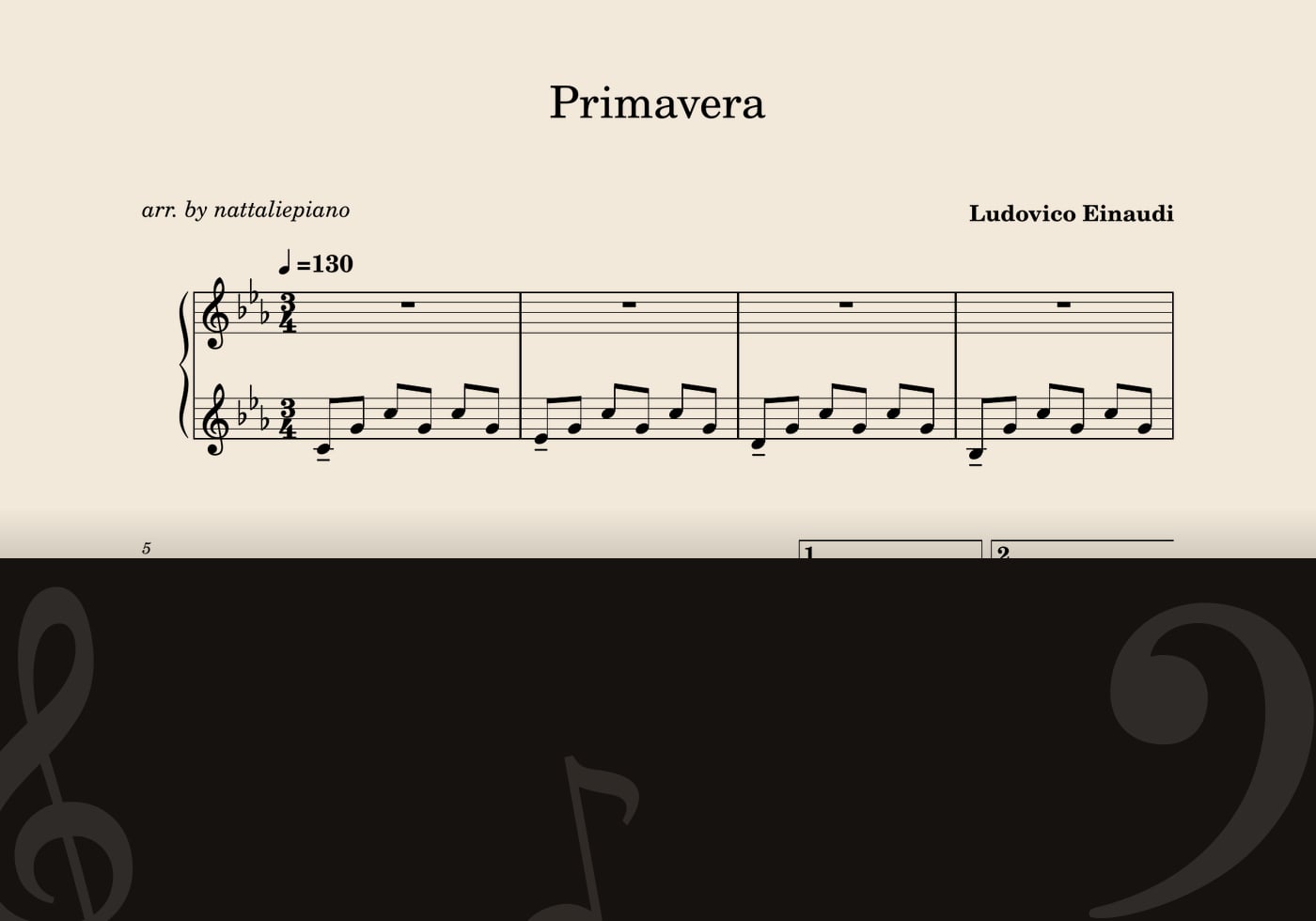
Primavera
after Ludovico Einaudi
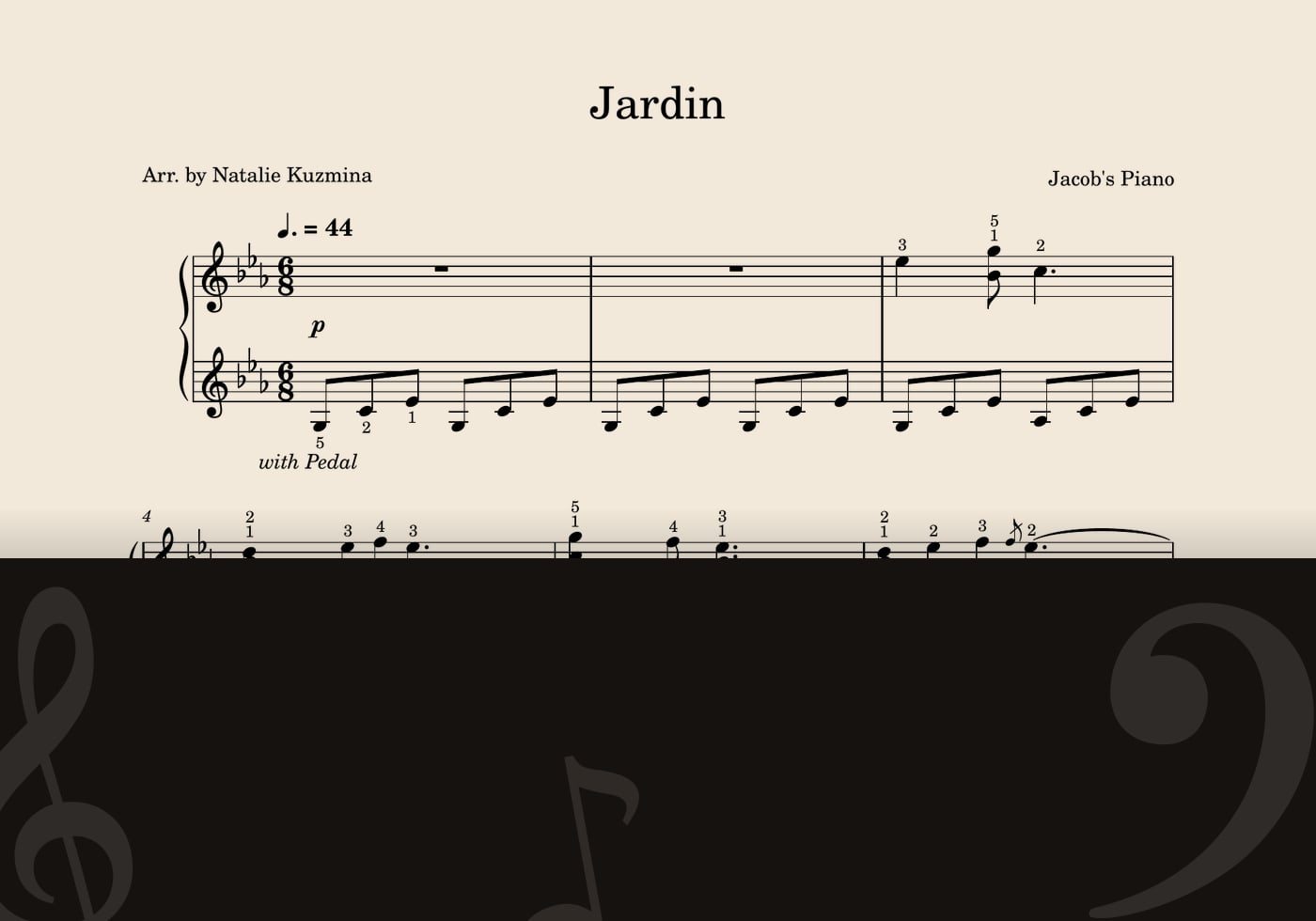
Jardin
after Jacob's Piano
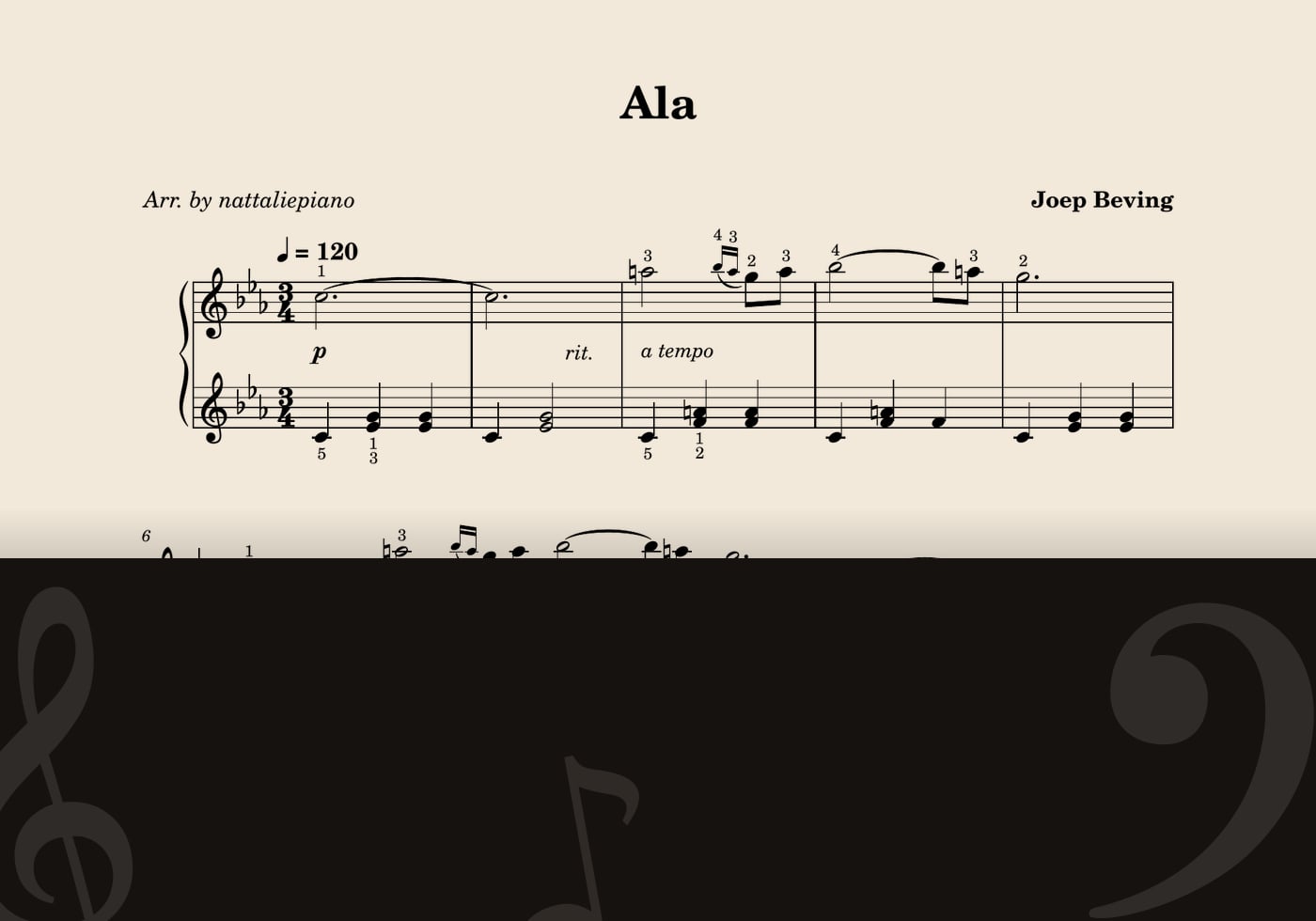
Ala
after Joep Beving
Turn the wheel. Hear the key.
Pick a key
Click any segment of the circle. The outer ring holds the major keys, the inner ring the minor key that shares the same signature. Arrow keys walk around the circle; M switches between the two rings.
Read the signature
The staff in the middle draws the sharps or flats the way a score does — in the order you write them, on the lines and spaces where they belong. At the foot of the circle you get both spellings, because both are used.
Hear it
Tap any of the seven chords, play the scale, or play the whole cadence. The notes light up on the wheel as they sound. It is a recorded grand piano, not a synthesiser, so the chords ring the way they would under your hands.
What the circle of fifths is.
Why fifths
One step clockwise is a perfect fifth up: C to G, G to D, D to A, and round to C again twelve steps later. Every step that way adds a sharp to the key signature; every step anticlockwise adds a flat. The circle is the key signatures put in order.
The inner ring
Every major key shares its signature with one minor key — its relative minor, three semitones below. C major and A minor both carry no sharps and no flats: the same seven notes, started in a different place.
The seven chords
Stack a triad on each note of the scale and you have the chords of the key. Three come out major (I, IV, V), three minor (ii, iii, vi), and one diminished (vii°). Roman numerals name the position rather than the note, which is why a progression like I–V–vi–IV can be played in any key at all.
Where sharps meet flats
Six o'clock is one set of notes written two ways: G♭ major with six flats, or F♯ major with six sharps. Neither is more correct — you pick whichever makes the page easier to read.
Why the circle is worth knowing.
Key signatures, without the memorising
Count the steps from C and you have the number of sharps or flats. The staff shows you which ones.
Chords that belong together
Any three neighbouring keys are the I, IV and V of the middle one — the chords under a great deal of music.
Transposing
Move a piece one step around the circle and every note shifts by a fifth, key signature included.
Changing key mid-piece
Neighbours differ by a single note, so a step either way is the smoothest modulation there is.
The Evening Piano Mini-Songbook.
Three simple, beautiful arrangements — yours free. Drop your email and I'll send the print-ready PDF straight to your inbox.